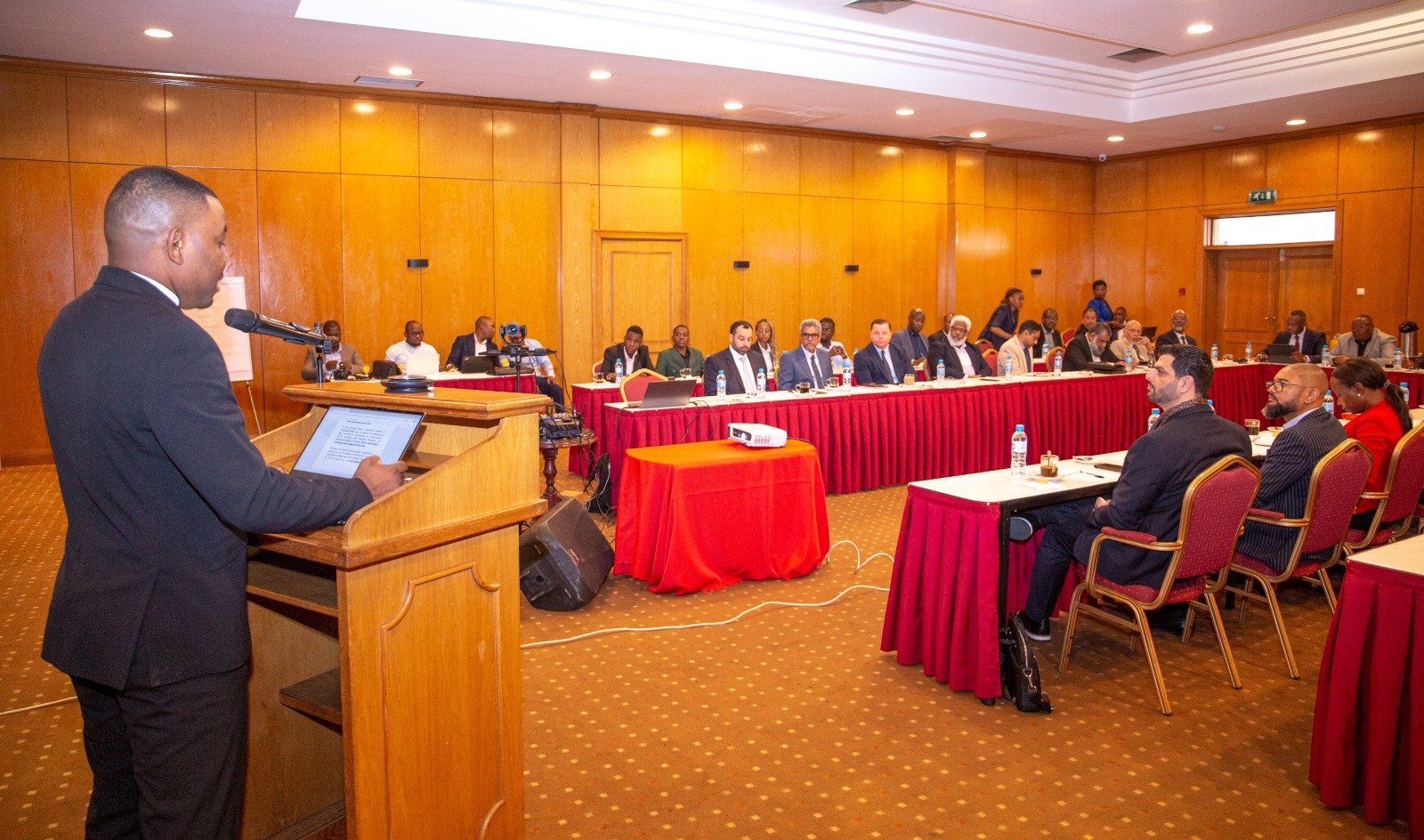
Speaking in the context of ongoing economic challenges, the Ombudsman emphasized that many of the difficulties faced by companies are not solely financial, but often stem from administrative barriers, regulatory inefficiencies, and limited communication between stakeholders. He argued that creating structured channels for dialogue could help identify and resolve these issues more effectively.
According to him, a cooperative approach between government authorities and business actors is essential to building a more predictable and transparent operating environment. By encouraging open exchanges, institutions can better understand the concerns of entrepreneurs, while businesses can gain clarity on regulatory expectations and procedures.
The Ombudsman also highlighted the role of his office as an intermediary mechanism, capable of receiving complaints, examining irregularities, and recommending corrective measures within public administration. This function, he noted, can contribute to reducing bureaucratic bottlenecks and fostering accountability, even though the institution does not have direct decision-making power.
He further stressed that improving the business climate requires not only policy reforms but also a shift in institutional culture—one that prioritizes responsiveness, fairness, and legal certainty. Strengthening trust between the State and the private sector, he added, is a key step toward promoting investment and sustainable economic growth.
Ultimately, the message conveyed was that dialogue should not be occasional, but rather institutionalized as a continuous process, ensuring that obstacles to entrepreneurship are addressed before they escalate into systemic constraints.